


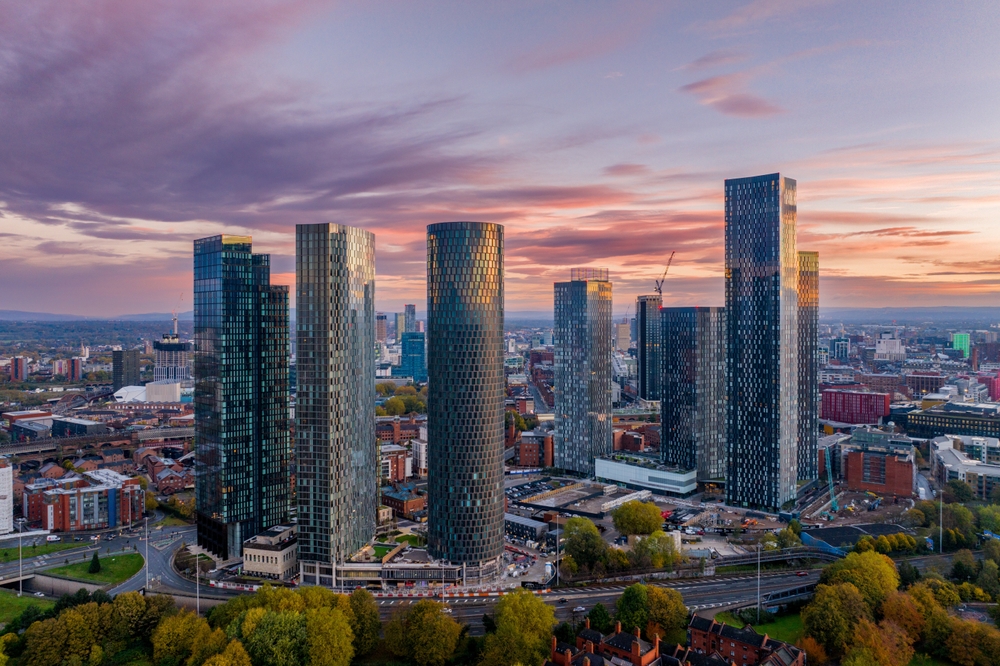
The 2020s have already proven to be a decade of transformation for many UK cities. From new housing estates to large-scale regeneration projects, construction has become a visible marker of economic health. While some cities are thriving under the pressure of growth, others are struggling to keep pace. Understanding these shifts not only highlights where opportunities lie but also reveals how infrastructure, planning and investment decisions are shaping the country’s future.
Thriving Cities: The Growth Leaders
Milton Keynes has emerged as one of the UK’s strongest growth stories. Originally designed as a ‘New Town’ in the late 20th century, it has matured into a bustling city in its own right. Its central location, excellent transport links and forward-looking planning have made it a magnet for both families and businesses. The city’s population has grown steadily, driving demand for housing, schools and commercial spaces. This surge has naturally placed pressure on the construction sector, where everything from homebuilding to commercial development requires the support of specialist services like Milton Keynes scaffolding suppliers.
Manchester is another standout performer. Known for its dynamic cultural scene and growing tech economy, the city has attracted both domestic and international investment. The skyline tells its own story, with high-rise residential towers and new office blocks appearing at pace. Similarly, Leeds and Birmingham are benefitting from regional economic growth strategies, with construction projects spanning rail infrastructure, mixed-use developments and urban regeneration.
The Pressures of Rapid Growth
Thriving cities face their own set of challenges. Rapid expansion often leads to housing shortages, rising rents and mounting infrastructure pressure. Local councils in cities like Milton Keynes have to strike a balance between meeting demand and preserving quality of life for residents. The sheer pace of construction brings increased reliance on skilled trades and supporting industries. The demand for electricians, plumbers, builders has risen sharply, but so too has the need for logistical support such as scaffolding, equipment hire and material supply.
These pressures underscore how construction is not just about buildings – it is about the ecosystem of services and expertise required to sustain a city’s growth. The example of Milton Keynes highlights how quickly an area can scale, provided it has the right blend of infrastructure and industry to keep pace.
Cities Falling Behind
Not every city is thriving. Some parts of the UK have struggled to adapt to shifting economic realities. Coastal towns, as well as former industrial areas that have yet to find their 21st-century identity, are seeing far less construction activity. Declining populations and reduced inward investment have meant fewer cranes on the skyline and slower regeneration efforts.

In cities like Hull and Stoke-on-Trent, ambitious regeneration schemes have been launched, but progress has been inconsistent. Funding gaps, local politic broader economic pressures have often slowed the pace of change. The contrast between these areas and booming centres like Milton Keynes or Manchester is stark, raising questions about whether the government’s much-discussed “levelling up” agenda is truly reaching those in need.
Why Construction Matters More Than Ever
Construction is not simply about bricks and mortar; it is a barometer of economic confidence. When cranes dominate the skyline, it usually signals investment, growth and optimism about the future. When they disappear, it often reflects stagnation, reduced opportunities and population decline.
The 2020s have shown that construction is not evenly distributed. Cities with strong economies, forward-thinking councils and good connectivity are thriving, while those lacking these ingredients risk being left behind. The case of Milton Keynes is particularly instructive. Its growth has been deliberate, with careful planning and ongoing investment in transport and housing ensuring it is positioned as a future-facing city. The construction industry, including services such as scaffolding, has become central to meeting this demand.
The Future of the UK’s Urban Landscape
Looking ahead, the gap between thriving and struggling cities may widen unless decisive action is taken. Investment in infrastructure, housing and skills training will be essential for ensuring that more areas can share in the benefits of growth. Cities like Milton Keynes, Manchester and Birmingham show what can be achieved with the right strategy, but other regions will need more support to compete.
The 2020s construction boom is, in many ways, a story of winners and losers. But it also represents a moment of opportunity. If struggling cities can harness regeneration funding, attract business investment and invest in local communities, they may yet close the gap. For now, the cranes continue to swing most frequently over the UK’s growth leaders and the pace of construction shows no signs of slowing down.